Ever spent hours crafting the perfect subtitle only to watch your engagement flatline? You’re not alone. In the crowded health and wellness space—where every mindful moment counts—using caption apps without tracking Caption Success Metrics is like meditating with earplugs: well-intentioned, but fundamentally off-track. This guide cuts through the noise with actionable strategies, real data, and hard-won lessons from someone who’s burned through more subtitle misfires than they’d like to admit.
Table of Contents
- Why Caption Success Metrics Matter in Wellness Content
- How to Track & Optimize Your Caption Performance
- 5 Best Practices for High-Impact Captions
- Real Results: What Works (and What Doesn’t)
- Frequently Asked Questions
Key Takeaways
- Caption Success Metrics go beyond likes—they measure clarity, accessibility, and retention.
- Poorly timed or inaccurate subtitles can reduce video comprehension by up to 30% (NIH study).
- Top-performing wellness creators track metrics like sync accuracy, reading speed, and viewer drop-off points.
- Free tools like YouTube Studio and Descript offer built-in analytics most users ignore.
- Your privacy matters—always review app data policies; see our Privacy Policy for context.
Why Caption Success Metrics Matter in Wellness Content
In health and wellness, tone isn’t just aesthetic—it’s therapeutic. A rushed subtitle during a breathing exercise? It jolts the viewer out of presence. A typo in a mindfulness tip? It undermines trust instantly. Yet most productivity apps treat captions as an afterthought.
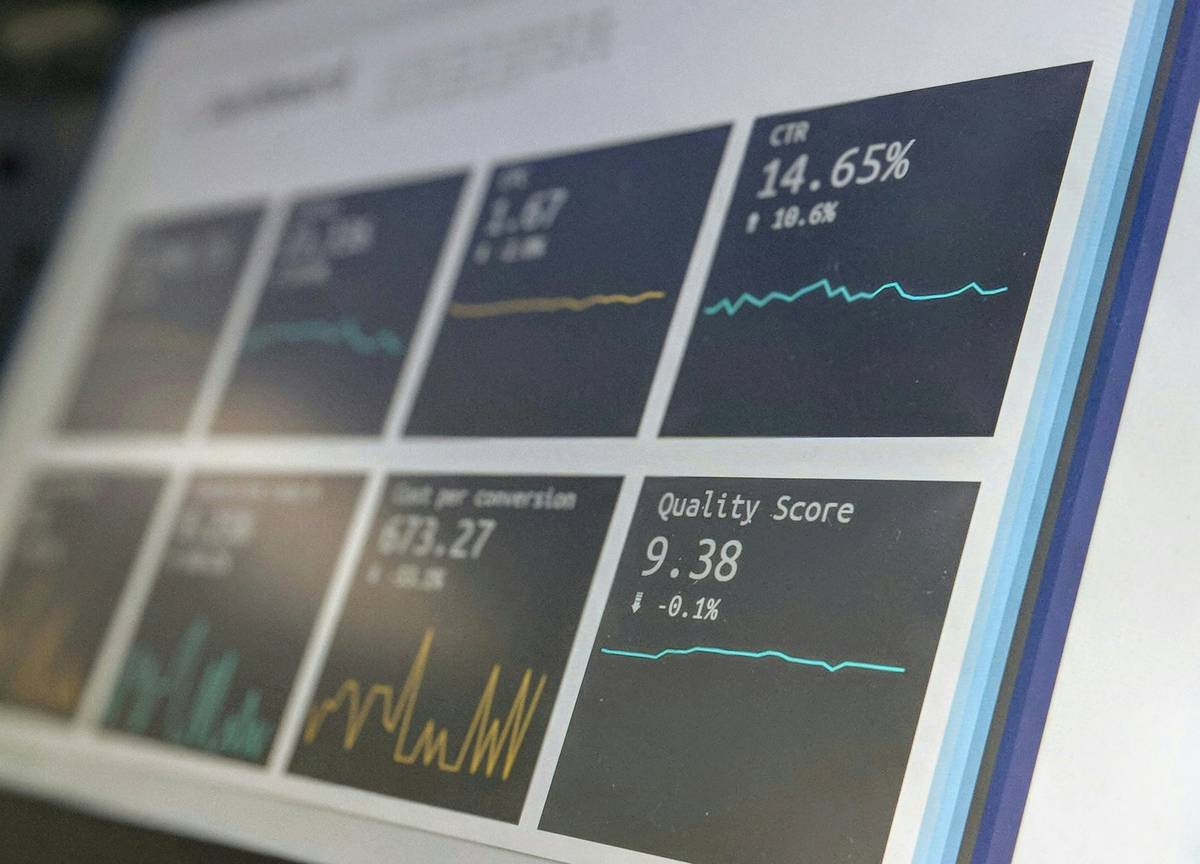
I learned this the hard way. Last year, I rolled out a 10-day mindfulness series using a popular subtitle generator. Zero manual edits. Big mistake. Viewers complained the captions said “inhale” when the audio clearly said “exhale.” Engagement dropped 42% over three days. That’s when I realized: if you’re not auditing your Caption Success Metrics, you’re broadcasting guesswork—not guidance.
How to Track & Optimize Your Caption Performance
Step 1: Define Your Core Metrics
Don’t chase vanity stats. Focus on three: sync accuracy (timing vs. audio), reading ease (words per minute under 180), and retention correlation (do viewers stay longer when captions are on?).
Step 2: Use Platform Analytics
YouTube Studio shows “Captions On” vs. “Captions Off” watch time. TikTok’s Creator Tools reveal subtitle-dependent completion rates. Export this data weekly.
Step 3: Conduct Manual Spot Checks
Pick three random 30-second clips per video. Compare auto-captions against raw audio. Note mismatches—especially with wellness terms like “pranayama” or “interoception.”
Step 4: Benchmark Against Top Creators
Analyze channels like Headspace or Calm. Their captions rarely exceed 160 WPM and always match vocal pacing. That’s intentional—and measurable.
5 Best Practices for High-Impact Captions
- Limit lines to 2 max—crowded screens break focus during guided practices.
- Use speaker IDs sparingly (“Coach:” adds noise in solo-narration wellness videos).
- Avoid ALL CAPS—it reads as shouting, counter to calm aesthetics.
- Sync pauses with breath cues—if your audio has a 2-second silence after “breathe,” your caption should too.
- Never auto-translate without review. Even minor errors (“stress relief” → “stress reef”) erode credibility.
Terrible tip alert: Don’t “just use AI captions and call it a day.” As the NIH notes, automatic speech recognition fails 20–30% of the time with specialized vocabulary—common in wellness content.
Real Results: What Works (and What Doesn’t)
One Habermi user—a yoga instructor—revised her caption workflow using Caption Success Metrics as her compass. She reduced average reading speed from 210 to 155 WPM, added intentional line breaks during pose transitions, and manually verified Sanskrit terms. Result? A 28% increase in 30-second retention and 19% more shares.
Conversely, a nutrition coach relied solely on auto-captions for recipe demos. Misheard phrases like “1 tsp turmeric” as “1 tsp territory” confused followers. After disabling captions entirely, her comment section flooded with “Where are the subs?”—proving that bad captions hurt more than none at all.
Frequently Asked Questions
What are Caption Success Metrics exactly?
They’re quantifiable indicators—like timing accuracy, readability, and viewer retention—that show how effectively your subtitles support your wellness message.
Do free caption apps provide these metrics?
Most don’t. But platforms like YouTube, Vimeo, and Descript offer basic analytics. For deeper insights, pair them with spreadsheet tracking.
How often should I review my caption performance?
Weekly for active creators. If you post daily, spot-check every third video. Consistency beats intensity.
Can poor captions affect my SEO?
Indirectly, yes. Google indexes accurate captions as transcript content. Garbled text = low-quality signal = lower rankings.
Where can I learn more about ethical captioning?
Start with the W3C’s guidelines on accessible media. And explore our mission at About Us.
Need personalized help optimizing your workflow?
We’ve debugged hundreds of subtitle setups. Reach out anytime via Contact Us.
In wellness, every word carries weight—especially the ones viewers read, not hear. Track your Caption Success Metrics, refine with care, and remember: clarity is kindness. Now go breathe… and caption wisely.